Why Worcester Roofs Grow Moss: The River Severn Effect
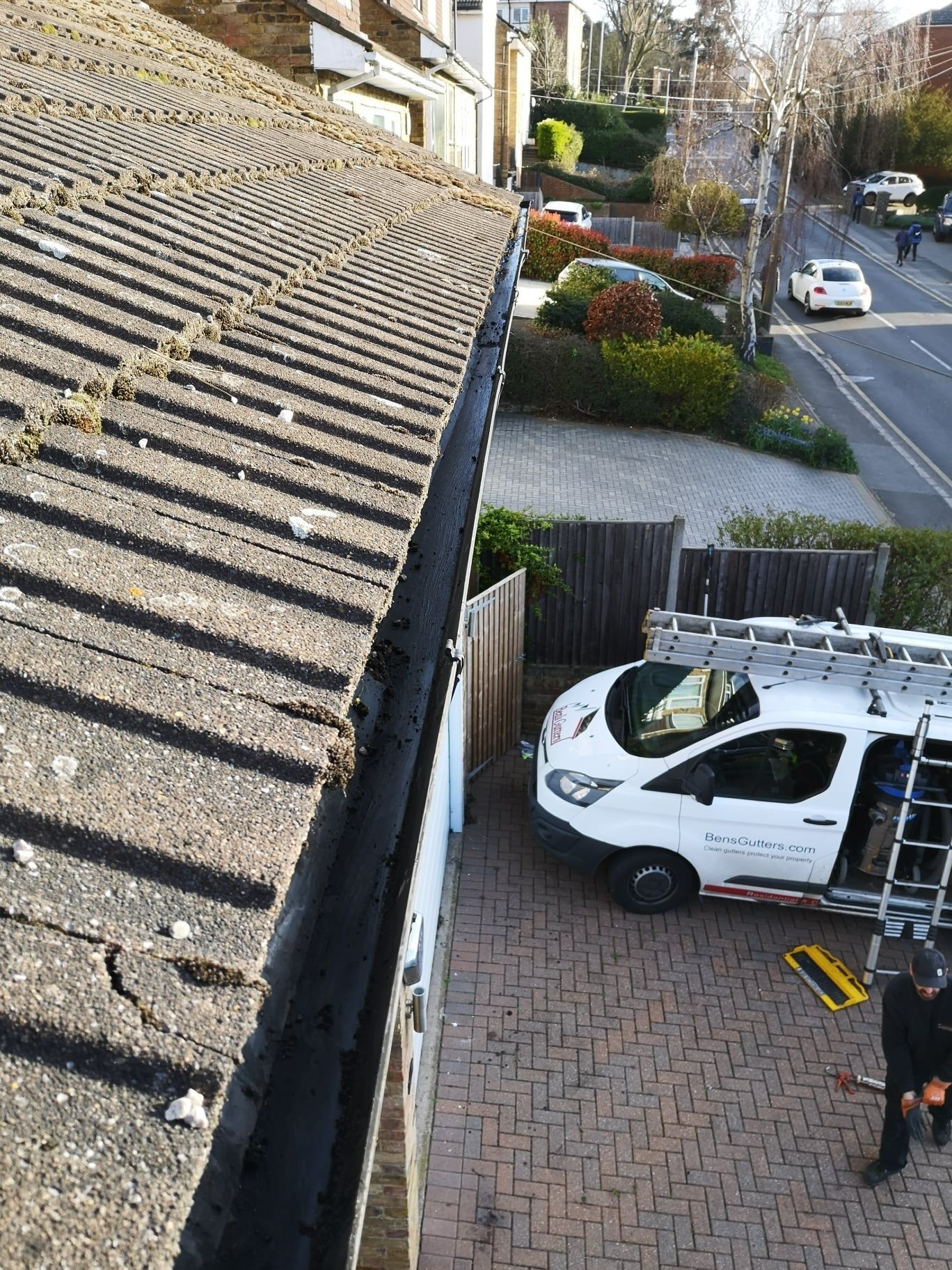
Take a slow walk along the Severn on a damp February morning and look up at the rooftops. You'll spot it fast. Green fuzz creeping across the tiles, dark streaks running toward the gutters, whole slopes gone a mossy shade of olive. Your own roof might be doing the exact same thing right now.
Worcester sits right on the River Severn, and that river shapes the air here more than most people notice. Damp mornings. Slow-drying tiles. Mist that lingers over the low ground near the water. It looks lovely. It's also exactly what moss wants.
The quick answer: Worcester roofs grow moss because the city's riverside setting keeps the air damp and the tiles slow to dry, especially on shaded slopes. Regular moss removal and a gentle soft wash clear it off and slow how fast it comes back.
1. The Severn keeps Worcester's air damp
The River Severn is the longest river in Britain, and it runs straight through the middle of the city. All that water puts moisture into the air, and on still days it just hangs there. You feel it on your skin in autumn. Your roof feels it too.
Moss doesn't need soil to grow. It needs moisture, a bit of shade, and something rough to cling to. Worcester hands it all three for months on end. The riverside parts of town, near Diglis and the South Quay, tend to stay damp longest of all.
And once a roof holds moisture, spores that blow in on the wind settle happily and take root. That first thin green film is where it always starts.
2. Shaded, north-facing slopes never really dry out
Look at almost any moss-covered roof in the city and you'll notice the worst of it sits on one side. Usually the side that faces away from the sun. Those slopes get the least daylight, so they stay wet for hours after the sunny side has dried.
Worcester's older streets make this worse. Tall buildings, narrow lanes, mature trees in the churchyards and gardens all throw long shadows. A roof tucked behind the cathedral or shaded by a neighbour barely sees direct sun in winter.
That constant damp is the whole reason one half of your roof can be furred with moss while the other half looks nearly clean.
3. Older clay tiles hold moisture like a sponge
A lot of Worcester homes wear clay tiles, and plenty of the older ones have a slightly porous, weathered surface. That texture is honestly beautiful. It's also a perfect grip for moss roots to dig into.
Slate behaves a little differently, but the city's Victorian terraces and period roofs still trap grime and organic muck in every seam and lap. Give moss a rough, damp foothold and it will take it. Worcester gives it plenty.
Newer, smoother concrete tiles resist it better, yet even those grow moss here once the surface weathers and the coating wears thin. The river air doesn't care how new your roof is.
4. What the moss is quietly doing up there
Moss looks harmless. It isn't, not over time. Those green clumps soak up rain and hold it against your tiles, so the surface stays wet far longer than it should. Wet tiles freeze harder in a cold snap, and freezing water expands and cracks them.
Chunks of moss also break away and wash down into the gutters. That's how a mossy roof and a blocked gutter usually turn up together. One feeds the other.
Here's my honest opinion after years of this work. Most Worcester roofs don't fail because they're old. They fail because moss and damp were left to sit for a decade until the tiles gave up.
5. Why you should never just blast it off
It's tempting to grab a pressure washer and fire away. Please don't. High-pressure water strips the protective surface off tiles, forces water under the laps, and can knock brittle old clay or slate clean off the roof.
We use soft washing instead. That means low-pressure water paired with a proper biocide that kills the moss and algae at the root rather than just blasting the top layer away. It's gentler on the roof and it keeps the growth away for longer.
On Worcester's period buildings especially, that gentle approach matters. You can't replace a hand-made tile from a Victorian terrace with a trip to the local merchant.
6. How often a Worcester roof needs clearing
There's no single number, because it depends on shade, tree cover and how close you sit to the river. A shaded roof near the Severn will green up faster than an exposed one up toward the higher ground near the Malverns.
As a rough guide, most local roofs benefit from a proper check every couple of years, with moss removal when it starts building up. Catch it early and the job stays small.
Leave it a decade and you're looking at thick mats, blocked gutters and possible tile damage. Early and gentle always beats late and drastic.
- Damp river air: the Severn keeps moisture in the air, so tiles stay wet and moss thrives.
- Shade matters most: north-facing and tree-shaded slopes hold damp longest and grow the thickest moss.
- Old tiles grip moss: weathered clay and slate give roots an easy foothold.
- Moss holds water: that trapped moisture leads to frost damage and cracked tiles over time.
- Soft washing is safer: low pressure plus biocide clears moss without wrecking the roof surface.
Frequently Asked Questions
Does living near the River Severn really make moss worse?
Yes. The extra moisture in the air near the river keeps roofs damp for longer, and damp is the main thing moss needs to spread.
Is moss actually damaging my roof or just ugly?
Both. It looks bad, but it also traps water against the tiles, which speeds up frost damage and clogs gutters with debris.
Can I just pressure wash the moss off myself?
We'd strongly advise against it. High pressure strips tile surfaces and can crack older clay and slate. A low-pressure soft wash is far safer.
Why is only one side of my roof mossy?
That's almost always the shaded, north-facing slope. It gets less sun, stays damp longer, and gives moss the conditions it loves.
How long until the moss comes back after a clean?
It depends on shade and tree cover, but a proper soft wash with biocide keeps growth down for a good while, often a few years before another clean is needed.
Is moss taking over your Worcester roof?
Ben's Roof Cleaning works across Worcester and Worcestershire, with over 15 years of experience. Get in touch or call 01905 675568
for a free, no-obligation quote.
The river isn't going anywhere, so keep an eye on your tiles
Worcester's setting on the Severn is part of what makes it a lovely place to live. It also means damp air and mossy roofs are simply part of the deal here. Knowing why it happens is half the battle.
Check your roof a couple of times a year, watch the shaded slope, and deal with moss while it's still thin. A little attention now saves a lot of trouble later.